Practical guidance updated 7 October 2026. Application requirements, eligibility and processing times depend on your circumstances. Use the official sources linked below and confirm accommodation arrangements for your own booking.
Whether you are coming to Dublin for a project, a new role or a permanent move, it helps to separate the arrangements you can confirm before arrival from those that need individual applications.
We've helped hundreds of professionals land in Dublin and feel settled within days. This guide draws on everything we've learned — the advice we give to every new guest, the mistakes we've seen people make, and the insider knowledge that only comes from living and working in the city. Think of it as the conversation you'd have with a Dublin friend the night before you move.
Before You Arrive
Visas & Work Permits
Your visa situation depends on your nationality:
- EU/EEA citizens: No visa or permit required. You have the right to live and work in Ireland from day one
- UK citizens: The Common Travel Area agreement means you can live and work in Ireland freely, even post-Brexit
- Other nationalities: Employment-permit, visa and residence requirements are separate checks. Some people have permission to work without an employment permit; others need a permit appropriate to the role and circumstances. Do not assume eligibility from a job title or rely on a fixed processing time.
- Intra-Company Transfers: If your company is transferring you from another office, a specific ICT permit may apply — your HR team will coordinate this
Check Irish Immigration Service guidance and the Department’s employment-permit guidance with your employer before finalising travel or a work start date.
What to Bring (and What Not To)
Dublin is a fully modern European capital — you can buy virtually anything here. Our advice is to travel light and buy locally:
- Bring: Important documents (passport, work permit, employment contract, university transcripts, driving licence), any prescription medications for the first month, a good rain jacket (not optional), and adaptors for Irish/UK plug sockets (Type G, three-pin)
- Don't bring: Furniture, kitchen equipment, bedding, or household items if you're staying in a serviced apartment — it's all provided. Don't ship a car unless you absolutely need one (more on this below)
Your First Accommodation
There is no guaranteed timetable for finding a permanent home. Your budget, household needs and available properties all affect the search. Verify a property and the person offering it before committing money; do not let a work start date pressure you into an unchecked rental.
A temporary furnished base can give you time to attend viewings and compare neighbourhoods. Choose the initial length of stay around your budget and commitments, and check extension and cancellation terms before booking.
EirStay welcomes enquiries from fourteen nights, subject to availability and booking terms. If you need proof of address, first ask the receiving organisation what it accepts, then ask us what can be provided for your particular booking. We do not guarantee that a booking confirmation or accommodation letter will be accepted by a bank or public body. Read Moving to Dublin Before You’ve Found a Permanent Home for a step-by-step plan.
Choosing a Neighbourhood
Dublin is a compact city, and the neighbourhood you choose will shape your entire experience. Here's a quick orientation:
South Side (Dublin 2, 4, 6)
The traditional heart of professional Dublin. Donnybrook (Dublin 4) is leafy, residential, and close to embassies and corporate offices. Ranelagh (Dublin 6) has a vibrant village feel with excellent Luas connections. Camden Street (Dublin 2) is the creative quarter — walkable to everything, with unmatched dining and nightlife. The south side generally commands higher rents but offers a more established residential feel.
Canal & Docklands (Dublin 2/4)
The Grand Canal area sits between the traditional city centre and Silicon Docks, home to Google, Meta, Stripe, and dozens of other tech companies. It's modern, well-connected, and ideal for anyone working in tech. The canal itself provides a beautiful daily walk.
West Side (Dublin 8)
Kilmainham and Islandbridge offer proximity to Phoenix Park (1,752 acres — twice the size of Central Park), excellent value, and a growing food scene. Well-connected by bus and Luas Red Line to the city centre. Best for those who value green space and authenticity.
North City (Dublin 1)
The Italian Quarter, Capel Street, and Wellington Quay offer the most cosmopolitan, diverse experience in Dublin. Outstanding food variety, excellent transport links, and a vibrant urban energy. Often more affordable than equivalent south-side locations.
For a detailed breakdown, see our full neighbourhood review.
Getting Around
Dublin is a compact city, and you may be surprised how rarely you need a car. Here's your transport toolkit:
Walking
Dublin's city centre is remarkably walkable. From our Ranelagh apartments, it's a 25-minute walk to Trinity College. From Camden Street, you can reach virtually any city-centre office in 15 minutes on foot. Good shoes and a rain jacket are all you need.
Luas (Tram)
Dublin's tram system has two lines: the Green Line (runs north-south through the city centre to Sandyford via Ranelagh, Dundrum) and the Red Line (runs east-west from Tallaght to The Point via Heuston and the Docklands). Fast, frequent, and reliable. Get a Leap Card (Dublin's transit card) for discounted fares — available from any newsagent for a €5 deposit.
Dublin Bus
Bus routes and timetables change. Use Transport for Ireland’s journey planner for your actual address, destination and travel time, and check the return journey as well.
DART (Coastal Rail)
The DART runs along Dublin's coast from Malahide and Howth in the north to Greystones in the south. It's the most scenic commute in the city — along the coast past Sandymount, Dún Laoghaire, Dalkey, and Killiney. If your office is near a DART station, it's a genuinely pleasant way to travel.
Cycling
Dublin Bikes is the city's bike-sharing scheme — annual membership costs just €35, with the first 30 minutes of each trip free. There are stations across the city centre and inner suburbs. Bleeper Bikes and Moby are dockless alternatives. Dublin is flat by European standards, making cycling practical for most people. Dedicated cycle lanes are expanding, though some routes still share road space with cars.
Do You Need a Car?
For most professionals living in central Dublin: no. Public transport, walking, and cycling cover the daily commute and weekend activities. Parking in Dublin is expensive (€200–350/month for residential permits in some areas, and much more in commercial car parks), traffic is congested during peak hours, and insurance for non-Irish licence holders can be surprisingly costly.
If you do need a car occasionally — for weekend trips to the countryside, for example — GoCar offers pay-by-the-hour car sharing, and car rental is straightforward from Dublin Airport or city-centre locations.
Administrative Essentials
Ireland's bureaucracy is generally straightforward, but there are a few things you'll need to set up in your first weeks. Here's the order that works best:
1. PPS Number (Personal Public Service Number)
A PPS number is used for tax and public services; it is not itself permission to work. The Department of Social Protection explains the application route, including MyWelfare online applications and arrangements for particular circumstances. Generally you need:
- Proof of identity (passport)
- Evidence of address meeting the Department’s requirements; check the accepted documents before applying
- Evidence of why you need a PPS number (employment contract or letter from your employer)
Processing times vary. Discuss payroll with your employer and follow Revenue’s first-job guidance. Providing your PPS number and registering a first job with Revenue are important steps; an application reference is not a substitute for completing the required process.
2. Bank Account
Check the account provider’s current identity, address, residency and verification requirements. They differ by account and application route. Options to compare include:
- Branch-based banks: Ask the bank which documents it will accept if you are initially in temporary accommodation. Acceptance and account-opening time are not guaranteed.
- Digital providers: Check eligibility for your country of residence, identity checks, address evidence, fees and account features. Do not assume an account can be opened instantly with only a passport.
Keep a workable payment method available while an application is being assessed, and confirm salary-payment arrangements with your employer. EirStay cannot decide which documents a bank accepts.
3. Phone & Internet
The three main mobile providers are Three, Vodafone, and eir. All offer prepay SIMs available from any convenience store or phone shop — no contract required. A prepay plan with unlimited data costs around €20–30 per month. Three is often recommended for the best data speeds and coverage.
Internet in your EirStay apartment is already sorted — high-speed broadband is included. When you move to a permanent rental, you'll need to set up your own broadband. Virgin Media, Vodafone, and SIRO offer the fastest connections (up to 1Gbps in some areas). Installation typically takes 1–2 weeks.
4. Healthcare
Ireland has a mixed public-private healthcare system:
- GP (General Practitioner): Ask local practices about new-patient availability and fees. Check HSE GP visit-card guidance and medical-card eligibility separately; access and charges depend on your circumstances.
- Emergency care: Check current service arrangements with the HSE. Charges and exemptions depend on the circumstances, and waiting times depend on clinical need and demand. Call 112 or 999 in a life-threatening emergency.
- Private health insurance: Ask your employer whether cover is provided and check the insurer’s benefits, exclusions and waiting periods. Insurance does not guarantee a particular appointment date.
- Pharmacies: Found on virtually every high street. Common medications are available over the counter, and pharmacists are helpful and knowledgeable
5. Driving Licence
Visitor and resident rules differ. Before driving after a move, check the NDLS foreign-licence guidance for your issuing country, licence validity and residence status. Do not assume a visitor allowance continues after becoming resident or that every foreign licence is exchangeable.
Cost of Living
Build a budget around your own household, commute and current quotes. A single monthly figure is not reliable for everyone, and gross salary is not the same as take-home pay.
Monthly Breakdown
- Groceries and dining: Allow for household size, dietary needs and how often you intend to eat out.
- Transport: Price your actual journeys and check current tickets and fare caps with Transport for Ireland.
- Phone, gym and entertainment: Compare current provider prices and cancellation terms rather than relying on old headline rates.
- Utilities: Check heating, electricity, waste and internet charges, and confirm which costs your accommodation quote includes.
- Moving costs: Budget separately for deposits, deliveries, initial purchases and any overlap between homes.
Keep a contingency for unexpected costs. Childcare and school-related costs need a separate household-specific estimate.
Tax
Take-home pay depends on the tax year, personal circumstances, credits and applicable Income Tax, USC and PRSI rules. Check Revenue’s guidance for starting work and discuss deductions with payroll rather than applying a single effective rate to every salary.
Your employer handles tax deduction through the PAYE (Pay As You Earn) system — it's automatic, and you receive your net salary each month. You can manage your tax affairs online through Revenue.ie, including claiming tax credits and reliefs.
Culture & Lifestyle
Dublin punches well above its weight culturally. This is a city of a million people that produces an outsized share of the world's writers, musicians, and performers. Here's what to expect:
Food & Drink
Dublin's food scene has transformed in the last decade. What was once a meat-and-potatoes city now has Michelin-starred restaurants, exceptional ethnic food (particularly Pakistani, Japanese, Korean, and Vietnamese), a thriving café culture, and a craft beer and cocktail scene that rivals any European capital.
Highlights: Chapter One (Two Michelin stars, modern Irish), Kinara Kitchen in Ranelagh (Pakistani), Musashi (Japanese, multiple locations), Assassination Custard (brunch), Etto (Italian bistro), Lena (canal-side Italian). The weekend markets — particularly the Temple Bar Food Market (Saturday) and the Dublin Flea Market — are worth exploring.
Pubs remain central to Dublin social life, and the quality varies enormously. Skip the tourist traps in Temple Bar and head for The Cobblestone (traditional music in Smithfield), Grogan's (literary Dublin), Toner's (classic Victorian pub), or Mulligan's (Dublin's best Guinness, no-frills perfection). A pint of Guinness is genuinely better in Dublin than anywhere else — the brewery is across the road, and it shows.
Music, Theatre & Arts
Live music is woven into Dublin's identity. There's a gig happening every night of the week, from traditional sessions in pubs to international acts at the 3Arena and Olympia Theatre. Whelan's on Wexford Street is the legendary launch pad — Hozier, The Script, and countless others played their first Dublin shows here.
Theatre is exceptional. The Abbey Theatre (Ireland's national theatre), the Gate Theatre, and the Gaiety Theatre produce world-class work. The Dublin Theatre Festival in September/October attracts international companies. Tickets are affordable — often €15–35 — and the quality rivals London's West End.
Visual arts are centred around the National Gallery (free), IMMA (free), the Hugh Lane Gallery (free), and a growing number of independent galleries around the city.
Sport
Ireland is sports-mad, and Dublin is the epicentre. GAA (Gaelic football and hurling) matches at Croke Park are an unforgettable experience — fast, physical, atmospheric, and entirely unique to Ireland. Rugby internationals at the Aviva Stadium are among the best sporting events in Europe. Football has a passionate following — Bohemians, Shamrock Rovers, and Shelbourne play in the League of Ireland, and European club matches are shown in every pub.
Parkrun on Saturday mornings (free, 5K, every public park) is the easiest way to meet people and stay active. Dublin also has excellent running along the canals, through Phoenix Park, and along the coast. Sea swimming at the Forty Foot in Sandycove has become enormously popular — yes, even in winter.
Weekend Exploration
One of Dublin's great advantages is what's beyond the city. Ireland is a small island, and stunning landscapes are never more than a few hours away:
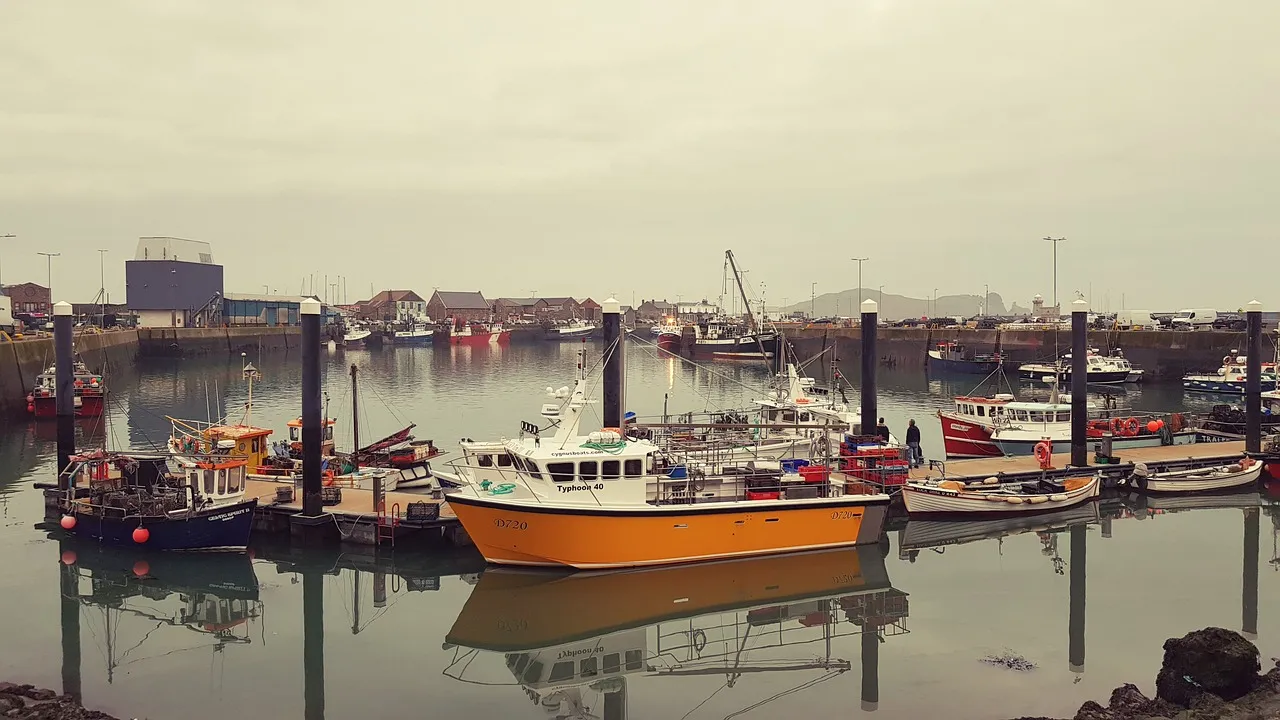
- Howth: 30 minutes by DART. Cliff walks, harbour seals, and outstanding seafood at the pier. A perfect Saturday afternoon
- Wicklow Mountains: 45 minutes by car. Glendalough's monastic city, Powerscourt Waterfall, and the Wicklow Way hiking trails. Often called the Garden of Ireland
- Killiney Hill: 25 minutes by DART. Panoramic views regularly compared to the Bay of Naples. Best at sunset
- Galway: 2.5 hours by train. Ireland's most bohemian city, gateway to Connemara and the Aran Islands
- Belfast: 2 hours by train. Titanic Quarter, Cathedral Quarter, and a food scene that's grown enormously
- Wild Atlantic Way: A weekend road trip from Dublin through Clare, Kerry, or West Cork is one of the great European driving experiences — dramatic cliffs, empty beaches, and traditional pubs in every village
- The Boyne Valley: 1 hour north. Newgrange (older than the pyramids), the Battle of the Boyne site, and the medieval town of Trim
The Social Side: Meeting People
Relocating can be lonely, and building a social life in a new city takes deliberate effort. The good news: Dublin is one of the friendliest cities in Europe, and there are well-established paths to meeting people:
- Work: Irish workplace culture is social. After-work drinks are common, and colleagues are generally warm and inclusive with new arrivals
- Meetup.com: Active communities for running, hiking, tech, languages, photography, board games, and dozens of other interests. The tech meetups in particular are excellent — Dublin's startup scene is welcoming
- Sports clubs: Join a GAA club (many welcome international members), a running club (Parkrun every Saturday is free and social), or a cycling group. Sport is the fastest way to build a social network in Ireland
- Golf and corporate pastimes: Dublin has several courses within easy reach of the city, and golf remains one of the most effective networking tools for professionals relocating for work. Our guide to corporate professional pastimes covers the full picture — from why golf culture persists to the other habits that help executives build identity and routine in a new city
- Pubs: Not just for drinking. Irish pubs are genuine social spaces — many host quiz nights, live music sessions, and community events. Don't be afraid to sit at the bar and start a conversation; it's not just acceptable, it's expected
- Language exchanges: Several cafés and bars host weekly language exchange evenings. Even if you speak English fluently, it's a great way to meet other internationals and practise French, German, Spanish, or Irish
- Volunteering: Organisations like Volunteer Ireland can connect you with local projects. It's a meaningful way to contribute to your new community and meet like-minded people
The Weather (Honestly)
Let's address the elephant in the room. Dublin's weather is… mild. That's the kindest word for it.
It rarely gets very cold (temperatures below 0°C are unusual) and rarely gets very hot (anything above 25°C makes front-page news). What it does do is rain — frequently, unpredictably, and sometimes horizontally. Dublin averages about 750mm of rainfall per year, spread across roughly 150 rain days.
The practical approach:
- Invest in a quality rain jacket — waterproof, breathable, with a hood. This is your single most important purchase
- Layer your clothing. The temperature can shift 10°C in a single day
- Don't let rain stop you. Dubliners don't — and you'll miss out on a lot if you do
- Summer (June–August) is genuinely beautiful. Long days (sunrise at 5am, sunset at 10pm), mild temperatures, and a city that comes alive with outdoor dining, festivals, and coastal walks
- Winter (November–February) is dark and damp, but Dublin compensates with cosy pubs, theatre season, and the Christmas markets at the Convention Centre
Common Mistakes to Avoid
We've seen hundreds of relocations, and certain mistakes come up again and again:
- Signing a long-term lease before arriving: Never commit to a 12-month rental from overseas. You can't properly assess a property or neighbourhood remotely. Book a serviced apartment for your first 1–3 months and find your permanent home in person
- Underestimating the rental market: Dublin's rental market is competitive. Be prepared to move fast when you find something — have your documents ready, your references prepared, and your deposit available
- Buying a car immediately: Most professionals in central Dublin don't need one. Try public transport, cycling, and GoCar for the first few months before deciding
- Leaving payroll registration unresolved: Apply for a PPS number when required and follow Revenue’s job-registration guidance. Emergency tax can apply if payroll cannot obtain the necessary Revenue instructions; it is not accurately described as “40% on everything”.
- Ignoring the south-side/north-side distinction: Dublin has a historic (and mostly playful) divide between the south side and north side of the River Liffey. Both sides have excellent neighbourhoods. Don't limit yourself
- Expecting Mediterranean weather: Pack for rain. Then pack more rain gear. You won't regret it
- Not exploring beyond the city centre: Dublin's best experiences are often outside the tourist core — the coastal DART villages, Phoenix Park, the Wicklow Mountains, and the neighbourhood restaurants that no guidebook covers
Your First Week: A Checklist
Here's your practical plan for week one in Dublin:
- Day 1: Arrive at your EirStay apartment. Settle in, buy groceries, explore the immediate neighbourhood. Rest
- Day 2: Get a Leap Card from any newsagent. Buy a prepay SIM from Three, Vodafone, or eir. Walk or Luas to your office to test the commute
- Day 3: Check the PPS application route that applies to you, gather the required evidence and coordinate payroll registration with your employer.
- Day 4: Enquire about GP availability and compare bank-account requirements. Confirm acceptable documents with each organisation; these applications may take longer than a day.
- Day 5: Begin exploring. Walk a different route each day. Try a new café. Find your local park. Dublin rewards curiosity
- Weekend: Take the DART to Howth for a cliff walk and seafood. Or cycle through Phoenix Park. Or browse the Temple Bar Food Market. Start building the routines that will make Dublin feel like home
How EirStay Helps
We've designed our service specifically for professionals relocating to Dublin. Here's what we provide beyond the apartment itself:
- Booking documentation: Ask what we can provide for your specific stay. The receiving organisation—not EirStay—decides whether it is acceptable as proof of address.
- Local area guide: Personalised recommendations for your specific neighbourhood — restaurants, shops, transport, parks, and hidden gems
- Changes to dates: Ask about the terms before booking. Extensions depend on availability and confirmation; shortened stays and refunds are governed by your agreement, not an automatic entitlement.
- Move-in ready: Fully furnished, high-speed broadband connected, kitchen equipped, cleaning supplies stocked. You can start living — not unpacking — from day one
- Ongoing support: 24/7 emergency contact, responsive maintenance, and a team that genuinely cares about your experience. We're not a faceless platform; we're people who live in these neighbourhoods and know them inside out
Dublin is a city that grows on you. The first week might feel like a whirlwind of bureaucracy and adjustment. But by the end of month one, you'll have your routines, your favourite spots, and the beginnings of a social life. By month three, you'll wonder why you didn't move sooner.
Ready to start planning your relocation? Get in touch — we'll help you find the right apartment, the right neighbourhood, and the right start to your Dublin chapter.
For a closer look at where to live, read our neighbourhood review. Once you've settled in, our local walking routes will help you discover the city beyond the guidebooks. And for finding the best places to eat near your new home, our definitive Dublin dining guide covers every budget and occasion.