Dublin punches well above its weight as a European business destination. Home to the European headquarters of Google, Meta, Microsoft, Salesforce, and hundreds of other multinationals, the city welcomes thousands of business travellers every week. But navigating a new city when you're focused on work requires a different kind of guide — one that prioritises efficiency, productivity, and knowing exactly where to go.
Whether you're in Dublin for two nights or two months, this guide covers everything you need to make your trip seamless and productive. We've written this from years of hosting corporate guests and hearing what actually matters to people on the ground.
Where to Stay: Choosing the Right Area
Dublin is compact, but where you base yourself matters. The right area can save you 30 minutes each way, every day. Here's a breakdown based on where your meetings are likely to be:
If You're Working in the Docklands / Grand Canal Dock
This is Dublin's Silicon Docks — home to Google, Meta, Airbnb, HubSpot, Stripe, and dozens of tech companies. If your meetings are here, you want to be south of the canal:
- Donnybrook / Dublin 4: Leafy, residential, 15 minutes by bus or bike. The classic choice for corporate travellers who want quiet evenings and easy access. Several of our apartments here are within a straight run to Grand Canal Dock
- Ranelagh / Dublin 6: Vibrant village feel with excellent restaurants and cafés. 10-minute cycle or short Luas ride to the Docklands
- Grand Canal / Dublin 2: Walk to the office in under 10 minutes. Ideal if your schedule is packed and you want to maximise sleep time
If You're Working in the City Centre / Dublin 2
Banking, legal, and consulting firms cluster around St Stephen's Green, Merrion Square, and Fitzwilliam Square:
- Camden Street / Dublin 2: Right in the heart of things. Walk to most city centre offices in 10-15 minutes. Excellent dining options for client entertaining
- Ranelagh: One Luas stop from St Stephen's Green. Close enough to walk on fine days, with a proper village atmosphere to unwind
If You're Working West or Near Heuston Station
Pharma, medtech, and some government departments sit on the western side of the city:
- Kilmainham / Islandbridge / Dublin 8: Walk or cycle to offices along the quays, Phoenix Park, and the Heuston corridor. Underrated area with stunning park access and a fraction of the commute from the southside
If You're Working North of the Liffey
Financial services on the IFSC, creative agencies around Smithfield, and government offices near the Dáil:
- Italian Quarter / Capel Street / Dublin 1: The most happening part of the northside. Capel Street's restaurant scene is arguably Dublin's best. Short walk to the IFSC and Connolly Station
Hotels vs Serviced Apartments for Business
This deserves its own section because the difference is significant for business travellers:
- Cost: A serviced apartment typically saves 30-50% compared to a Dublin 4-star hotel, especially for stays beyond a few nights
- Space: A one-bedroom apartment gives you 45-65 sqm versus 25-30 sqm in a hotel room. That extra space matters when you're working from your accommodation
- Kitchen: Save on meals and eat on your own schedule. This alone can save €40-60 per day versus hotel restaurants and room service
- Laundry: In-apartment washer/dryer means you can pack lighter and skip hotel laundry charges
- Consistency: For repeat visitors, you can request the same apartment each trip. Your Dublin home from home
For a deeper comparison, read our full breakdown of apartments vs hotels in Dublin.
Getting to Dublin
From Dublin Airport
Dublin Airport (DUB) is Ireland's main international airport, located about 10km north of the city centre. Getting into the city is straightforward:
- Taxi / Uber: 25-40 minutes depending on traffic, €25-40 to south Dublin. The most convenient option, especially after a long flight. Use the official taxi rank outside arrivals, or order an Uber or FreeNow
- Aircoach (700 series): Runs 24/7 to various city centre and south Dublin stops. €8 one way, €14 return. Takes 30-50 minutes. The 700 route passes through Donnybrook and Ballsbridge — convenient for Dublin 4
- Dublin Bus (16 / 41): Cheapest option at €3.30 with a Leap Card, but slower and less luggage-friendly
Pro tip: If you're arriving during morning rush (7:30-9:30 AM) or evening rush (4:30-6:30 PM), add 20-30 minutes to any road-based transport. The Port Tunnel can back up significantly.
From Other Irish Cities
If you're connecting from other parts of Ireland:
- Cork, Galway, Limerick: Irish Rail to Heuston Station (2.5-3 hours). Dublin Bus or Luas connects from there
- Belfast: Enterprise train to Connolly Station (2 hours). Walking distance to the IFSC and city centre
Getting Around Dublin for Business
Dublin is surprisingly walkable, but when time is tight, you need to know the fastest way between A and B:
Walking
Dublin's city centre is roughly 3km across. Most business districts are within 20-30 minutes' walk of each other. Google Maps walking directions are reliable. Walking is often the fastest option during rush hour — no traffic, no waiting.
Luas (Tram)
Two lines serve the city:
- Green Line: Most useful for business travellers. Runs from Brides Glen (south) through Ranelagh, St Stephen's Green, and across to Broombridge. Key stops: Ranelagh, Charlemont, Harcourt, St Stephen's Green, Dawson, Trinity
- Red Line: Runs east-west from Tallaght/Saggart through Heuston Station, Jervis, and Connolly. Useful for Phoenix Park, Kilmainham, and the western corridor
Frequency: Every 4-8 minutes at peak times. Use a Leap Card (€2.00 per trip) or contactless bank card. The Luas app shows real-time arrivals.
Dublin Bus
Extensive network but harder to navigate for newcomers. Key routes for business travellers:
- Route 4 / 7: Connects south Dublin suburbs (Donnybrook, Ballsbridge) to the city centre and UCD
- Route 39A: Links the Docklands to the western suburbs via the city centre
Cash is not accepted — you need a Leap Card or contactless payment. The TFI Live app shows real-time bus locations.
Taxis
Dublin has ample taxis, and they're metered. Expect €10-15 for most cross-city trips. FreeNow (the old MyTaxi) and Uber both work well. FreeNow is generally more reliable for quick pickups as it connects to Dublin's licensed taxi fleet.
Dublin Bikes
The city's bike-share scheme has stations across the centre. Annual subscription is just €35, but you can get a 3-day pass for €5. Fast, efficient, and perfect for getting between meetings when the weather cooperates (which is more often than you'd think, May through September).
Driving
Unless you're visiting clients outside Dublin, don't hire a car. Parking in the city centre is expensive (€3-5/hour) and scarce. Traffic during peak hours is genuinely terrible. Every Dubliner will confirm this.
Staying Connected: Wi-Fi & Connectivity
Reliable internet is non-negotiable for business travel. Here's what to know:
- Mobile data: Dublin has excellent 4G/5G coverage from all major providers (Three, Vodafone, Eir). If you're from the EU, your home plan works under EU roaming rules at no extra cost. Non-EU visitors should get a prepaid SIM from Three Ireland (available at the airport) — €20 gives you 30 days of unlimited data
- Accommodation Wi-Fi: This varies wildly. Hotels often have congested shared Wi-Fi that struggles with video calls. EirStay apartments come with dedicated 500Mbps fibre broadband — fast enough for multiple simultaneous video conferences, large file uploads, and VPN connections
- Co-working if needed: If you need a change of scenery or a meeting room, Dublin has several options: WeWork (multiple locations), Dogpatch Labs (CHQ Building, IFSC), The Tara Building (Tara Street), and Iconic Offices (various). Day passes typically run €25-40
Client Meetings & Working Spaces
Coffee Meetings
The casual coffee meeting is a Dublin staple. Here are reliable spots that are quiet enough for conversation, with good coffee and seating:
- 3fe (Grand Canal Street): Dublin's speciality coffee pioneer. Professional crowd, excellent coffee, not too loud. Near the Docklands
- Clement & Pekoe (South William Street): Relaxed city centre spot. Good for meetings that might run long
- Industry & Co (Drury Street): Large space with plenty of seating. Good when you need privacy without booking a room
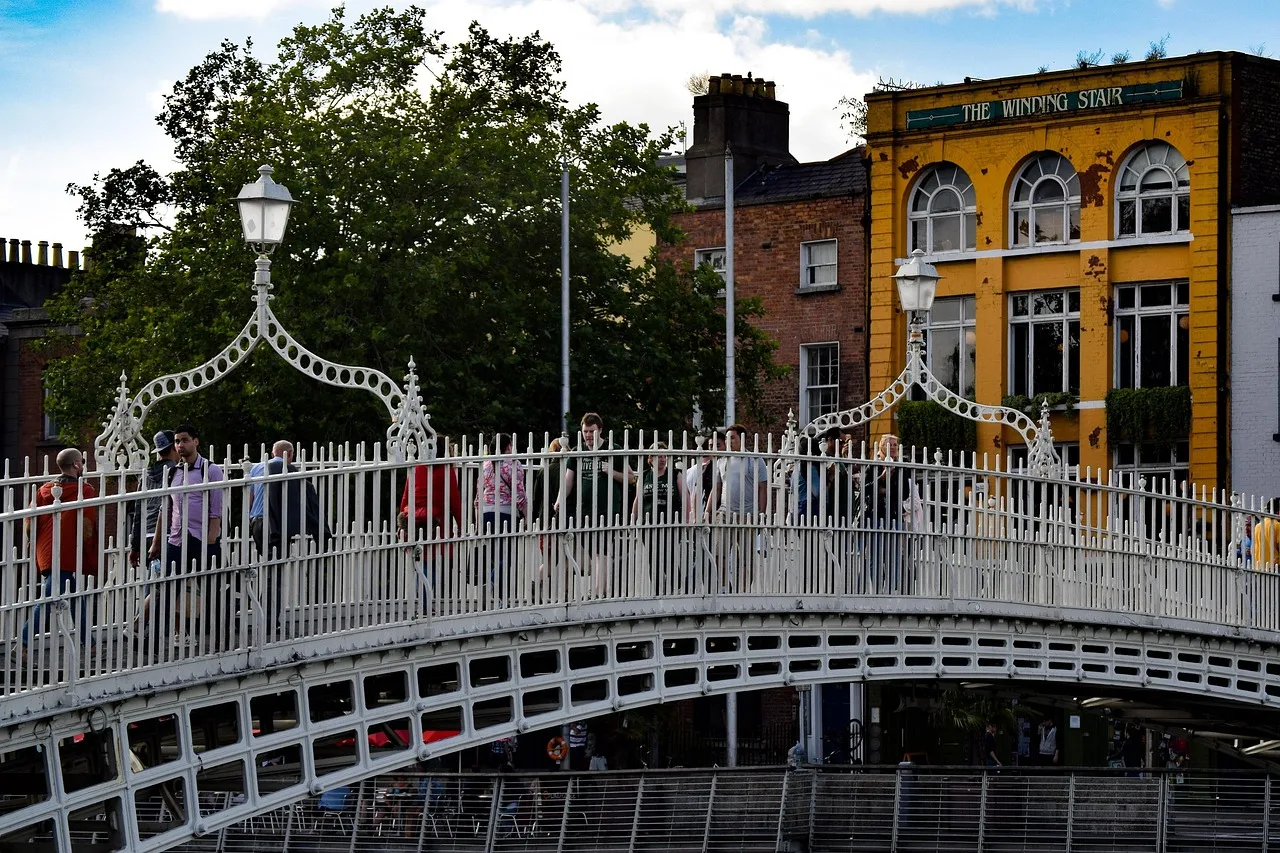
- The Woollen Mills (Ha'penny Bridge): Great northside option with river views. Spacious and never too crowded on weekdays
Client Dinners & Entertaining
Choosing the right restaurant for a client dinner can set the tone. Dublin's dining scene has improved dramatically, and there are plenty of options that impress without being stuffy:
Upscale (for important clients)
- Chapter One by Mickael Viljanen: Two Michelin stars. The gold standard for client entertaining in Dublin. Book well in advance
- Restaurant Patrick Guilbaud: Two Michelin stars. Merrion Hotel. The most prestigious dining room in Ireland
- Bastible (South Circular Road): Michelin Bib Gourmand. Creative, seasonal Irish cuisine in a relaxed but polished setting
- Liath (Blackrock): Two Michelin stars. Worth the short DART ride for a truly exceptional meal
Smart Casual (for most business dinners)
- Delahunt (Camden Street): Elegant former Victorian grocers. The tasting menu is excellent value
- Etto (Merrion Row): Italian-influenced, consistently outstanding. Popular with the professional crowd. Book ahead
- Lena (Portobello): Canal-side Italian, beautiful setting for summer evenings. In the former Locks site, quickly becoming one of Dublin's best
- Mr Fox (Parnell Square): Smart and sophisticated. One of the best spots on the northside
Casual but Impressive
- Assassination Custard (Kevin Street): Small plates, natural wine. The kind of place that says "I know this city"
- Nightmarket (Ranelagh): Thai street food elevated. Consistently one of Dublin's best dinners
- Uno Mas (Aungier Street): Spanish tapas done right. Great for groups
Meeting Rooms & Conference Facilities
If you need a proper meeting room rather than a café table:
- Your hotel or apartment: Many EirStay apartments have dining tables that seat 4-6, plus strong Wi-Fi — perfectly adequate for small team meetings
- WeWork (multiple locations): Book meeting rooms by the hour. Professional environment with AV equipment
- The Alex Hotel (Merrion Row): Stylish meeting rooms in the city centre, bookable externally
- RDS (Ballsbridge): For larger events and conferences. Dublin's premier events venue
- Convention Centre Dublin (Docklands): Purpose-built for major conferences and exhibitions

What to Wear
Dublin's dress code has shifted significantly in recent years. The tech sector has made smart casual the norm, but it's worth knowing what to expect:
- Tech companies (Docklands): Smart casual. Chinos and a good shirt, or a casual blazer. No one wears a tie. Trainers are common — though clean, minimal ones, not your running shoes
- Financial services / Legal (St Stephen's Green, IFSC): Business formal is still expected in most banks, law firms, and consultancies. Suits are the default, though ties are less common than they were
- Government / Agencies: Smart casual to business casual. Depends heavily on the department
- Creative / Media: Anything goes. You'll feel overdressed in a suit
Weather note: Always bring a light rain jacket. Dublin weather is changeable (the locals say you can get four seasons in one day, and they're not joking). A compact umbrella is essential from October to April.
Dublin's Major Business Events in 2026
If you're planning around events, here are the key ones:
- Web Summit (November): The largest tech conference in Europe. 70,000+ attendees. Book accommodation months in advance — the city fills up completely
- Dublin Tech Summit (June): More focused than Web Summit, with emphasis on enterprise tech. The RDS
- IIEA Events (various): The Institute of International and European Affairs hosts high-level policy discussions throughout the year
- Pendulum Summit (January): Business and leadership conference at the Convention Centre
- National Ploughing Championships (September): If you're in agri-business, this is essential. Not in Dublin, but many people base themselves in the city
- Six Nations Rugby (February-March): Not a business event per se, but important for corporate hospitality. Ireland home games at the Aviva Stadium are premium networking opportunities
After Hours: Making the Most of Evenings
Business travel doesn't have to mean room service and laptop screens. Dublin's compact size means you can fit in something enjoyable most evenings:
A Quick Pint After Work
The pub is the social heart of Dublin. These are where you'll find the after-work crowd rather than the tourist crowd:
- Toner's (Baggot Street): Classic Victorian pub. Popular with the legal and financial crowd from nearby offices
- The Harbour Bar (Bray): Worth the 30-minute DART ride on a fine evening. Consistently voted Ireland's best pub
- Grogan's (South William Street): An institution. Artists, writers, and professionals. No music, just conversation
- Mulligan's (Poolbeg Street): Dublin's best Guinness, according to many. No-frills and perfect for it
- Fallon's (The Coombe): A local's local. Off the tourist trail, full of character
Exercise & Wellness
Staying active during a business trip helps with jet lag, energy, and sleep quality:
- Running: The Grand Canal towpath is a flat, scenic 5km loop. Phoenix Park offers trails from 5km to half-marathon distance. Sandymount Strand is spectacular at low tide
- Gym: Flyefit and BD Gyms offer day passes (€10-12). Perpetua Fitness and CrossFit Dublin for something more intense
- Swimming: The Forty Foot in Sandycove is Dublin's famous open-water swim spot. Bracing but unforgettable. There's also the National Aquatic Centre in Blanchardstown if you prefer a pool
- Yoga: YogaHub and Reformation have drop-in classes across multiple locations
The longer your Dublin trip, the more it pays to build a deliberate leisure routine rather than defaulting to room service and screens. Our guide to corporate professional pastimes — covering everything from golf's enduring hold on business culture to pickleball, structured reading, and creative hobbies — explains why executives who build genuine downtime habits into long trips perform and network better than those who don't.
Cultural Highlights (If You Have an Evening Free)
- The Gate Theatre / Abbey Theatre: World-class productions. Check what's on — you might catch something exceptional
- National Gallery of Ireland: Free admission. The Caravaggio and Jack B. Yeats collections are worth 45 minutes
- IMMA (Irish Museum of Modern Art): Kilmainham. Contemporary art in the stunning Royal Hospital building. Also free
- Traditional music: The Cobblestone (Smithfield) has the best sessions in Dublin. Arrive by 9 PM to get a seat
Weekend Escapes (If You're Staying Over)
If your trip spans a weekend, Dublin's location makes it easy to see more of Ireland:
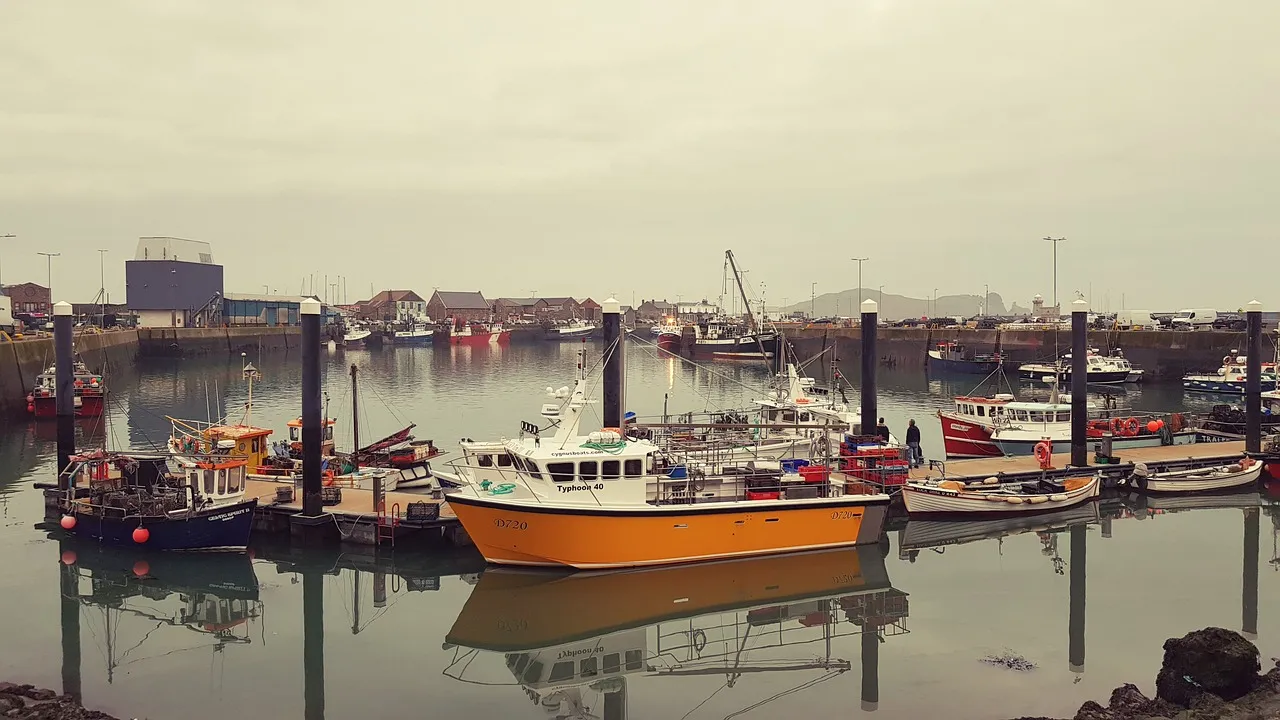
- Howth: 25 minutes by DART. Cliff walk (1.5 hours), seafood lunch at Octopussy's or King Sitric, and back in time for dinner in the city
- Powerscourt & Wicklow: 45 minutes by car. Stunning gardens, mountains, and the Wicklow Way. Day trip territory
- Killiney Hill: 30 minutes by DART. Often called "Dublin's Amalfi" — panoramic views of Dublin Bay and the Wicklow Mountains
- Galway: 2.5 hours by train. Ireland's cultural capital. Vibrant food scene, traditional music, and the Wild Atlantic Way on the doorstep
- Belfast: 2 hours by Enterprise train. Titanic Quarter, St George's Market, Cathedral Quarter. A completely different city
Practical Tips for Business Travellers
Money
- Currency is Euro (€). Contactless payment is accepted virtually everywhere — you rarely need cash
- Tipping: 10-15% at restaurants if service charge isn't included. Not expected at pubs or cafés
- Most expenses (restaurants, transport, accommodation) are slightly cheaper than London but more expensive than most other European capitals
Power & Plugs
- Ireland uses Type G plugs (the same as the UK). If you're from continental Europe or the US, bring an adapter. All EirStay apartments have universal USB charging points
Time Zone
- GMT (UTC+0) in winter, IST/BST (UTC+1) in summer. Same as the UK. One hour behind continental Europe
Mobile & Data
- EU roaming: Your EU mobile plan works at home rates
- UK visitors: Check your plan — some have re-introduced roaming charges post-Brexit
- US / non-EU: Get a Three Ireland prepaid SIM at the airport (€20, unlimited data for 30 days)
Language
- English is the primary language. Irish (Gaeilge) appears on signage alongside English. You'll get by perfectly with English alone
- Useful to know: "Grand" means "fine/good" (not luxurious). "Your man" means "that person". "Craic" (pronounced "crack") means fun or entertainment. "What's the craic?" means "What's going on?"
Your Business Travel Checklist
Before your trip, make sure you have:
- Accommodation confirmed (serviced apartment for stays of 3+ nights — you'll thank yourself)
- Airport transfer arranged or Aircoach route checked
- Leap Card or contactless card for public transport
- Rain jacket and compact umbrella
- Power adapter (Type G) if coming from outside the UK/Ireland
- Restaurant reservations for any client dinners (book at least a week ahead for good restaurants)
- Mobile data plan confirmed (EU roaming or prepaid SIM)
- TFI Live app and FreeNow app downloaded
How EirStay Supports Business Travellers
We've hosted corporate guests from companies across every sector, and we've designed our service specifically around what business travellers need:
- 500Mbps fibre broadband: Fast enough for multiple video conferences, VPN, and large file transfers simultaneously
- Dedicated workspace: Every apartment has a proper desk and ergonomic chair — not a coffee table and a sofa
- Self check-in: Arrive at any time. No reception desk, no waiting. Key safe code sent before arrival
- Fully equipped kitchen: Cook breakfast before an early meeting, or prepare a simple dinner after a long day. Save time and money
- Weekly cleaning & fresh linens: For stays of 7+ nights, included at no extra charge
- Corporate invoicing: Direct invoicing for companies, with itemised statements for expense reporting
- Repeat guest programme: Request the same apartment for every trip. Your Dublin home, every time
- 24/7 support: Responsive team for any issues during your stay
Ready to plan your next Dublin business trip? Get in touch for availability and corporate rates, or visit our corporate page to learn more about our business travel services.
Wondering where to eat during your trip? Our definitive Dublin dining guide covers every occasion from client dinners to quick lunches. For choosing the right area to stay, see our neighbourhood review. And if you're comparing accommodation options, read our apartments vs hotels comparison.