The corporate travel landscape is shifting. Across Europe, companies are increasingly moving away from traditional hotel accommodation for extended business stays, opting instead for serviced apartments. Dublin is no exception — and the reasons go well beyond cost.
We've been hosting corporate guests in Dublin for years, and the conversation with HR managers and travel coordinators always follows the same pattern: they start by asking about price, but by the end they're talking about productivity, wellbeing, and retention. The switch from hotels to apartments isn't just a budget decision — it's a strategic one. Here's why.
The Cost Advantage
Let's start with the numbers, because they're compelling. For stays of two weeks or more, serviced apartments in Dublin typically cost 30–50% less than equivalent hotel accommodation. But the nightly rate is only part of the story. The real savings come from the hidden costs that hotels accumulate over an extended stay:
Accommodation Costs
A quality hotel room in Dublin city centre — the kind suitable for a senior professional — runs between €180 and €350 per night depending on the brand and season. That's €5,400 to €10,500 per month before a single meal or service charge.
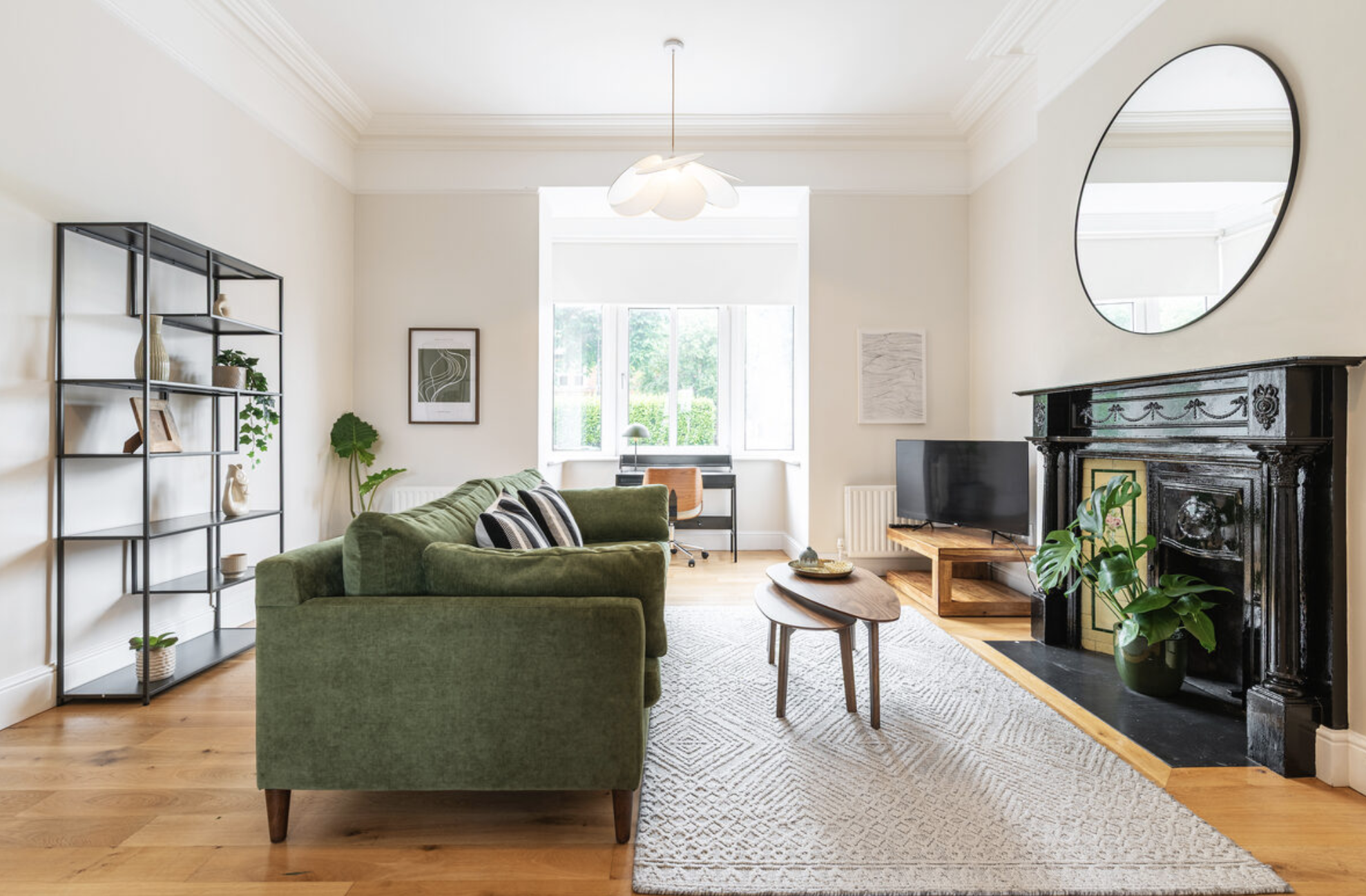
A fully furnished, serviced apartment in a central Dublin neighbourhood — with a separate living area, kitchen, workspace, and weekly cleaning — is typically 30–50% less. For a company housing three or four people on a project, the savings multiply quickly.
Meal Costs
This is where hotels really add up. A hotel guest eats out for virtually every meal. In Dublin, a modest breakfast costs €10–15, lunch €12–18, and dinner €25–50. That's €47–83 per day, or €1,400–2,500 per month in food costs alone — per person.
A serviced apartment with a fully equipped kitchen changes this equation entirely. Many of our guests cook breakfast and lunch at home (total cost: perhaps €5–8 per day) and eat out for dinner a few times a week as a treat rather than a necessity. The monthly food saving per person is typically €800–1,500.
Laundry
Hotel laundry services are notoriously expensive — €5–8 per shirt, €15–20 for a suit, €3–5 per pair of socks. For a four-week stay, a professional can easily spend €200–400 on hotel laundry. Every EirStay apartment includes an in-unit washer and dryer. Cost: the price of a box of detergent.
Other Hidden Costs
- Wifi: Many Dublin hotels still charge for premium wifi or limit speeds. All EirStay apartments include high-speed broadband (150–500Mbps) as standard — no caps, no extra charges
- Minibar and room service: The convenience tax in hotels is real. A can of Coke from a minibar costs €4–6. The same can from a Tesco across the road costs €1.50
- Parking: Hotel parking in Dublin city centre runs €15–30 per night. Our apartments in residential areas typically have free or low-cost street parking
- Space for teams: If you need to house a team of four, a hotel requires four rooms. A two-bedroom apartment provides more total space at a fraction of the cost, with shared living and kitchen areas that encourage team bonding
The Bottom Line
When you factor in accommodation, meals, laundry, wifi, and incidentals, a month in a Dublin hotel can cost a company €8,000–15,000 per person. The same month in a well-appointed serviced apartment — with more space, more comfort, and more independence — typically comes in at €4,000–7,000. For a team of four on a three-month project, that's a potential saving of €48,000–96,000.
Productivity: The Overlooked Factor
Cost gets the conversation started, but productivity is what convinces companies to make the switch permanent. The research is clear: environment has a direct impact on work quality, and hotel rooms are not designed for working.
The Hotel Room Problem
A hotel room is designed for one thing: sleeping. Everything else — working, eating, relaxing, exercising — is an afterthought or requires leaving the room. Consider the typical setup:
- A small desk pushed against the wall, often doubling as a vanity
- A chair that's comfortable for applying makeup but not for eight hours of work
- Wifi that's shared with hundreds of other guests and throttled during peak hours
- A bed that's always visible, silently suggesting you lie down instead of finishing that report
- No separation between work and rest — you sleep where you work and work where you sleep
For a one-night stay, none of this matters. For a two-month project? It matters enormously.
The Apartment Advantage
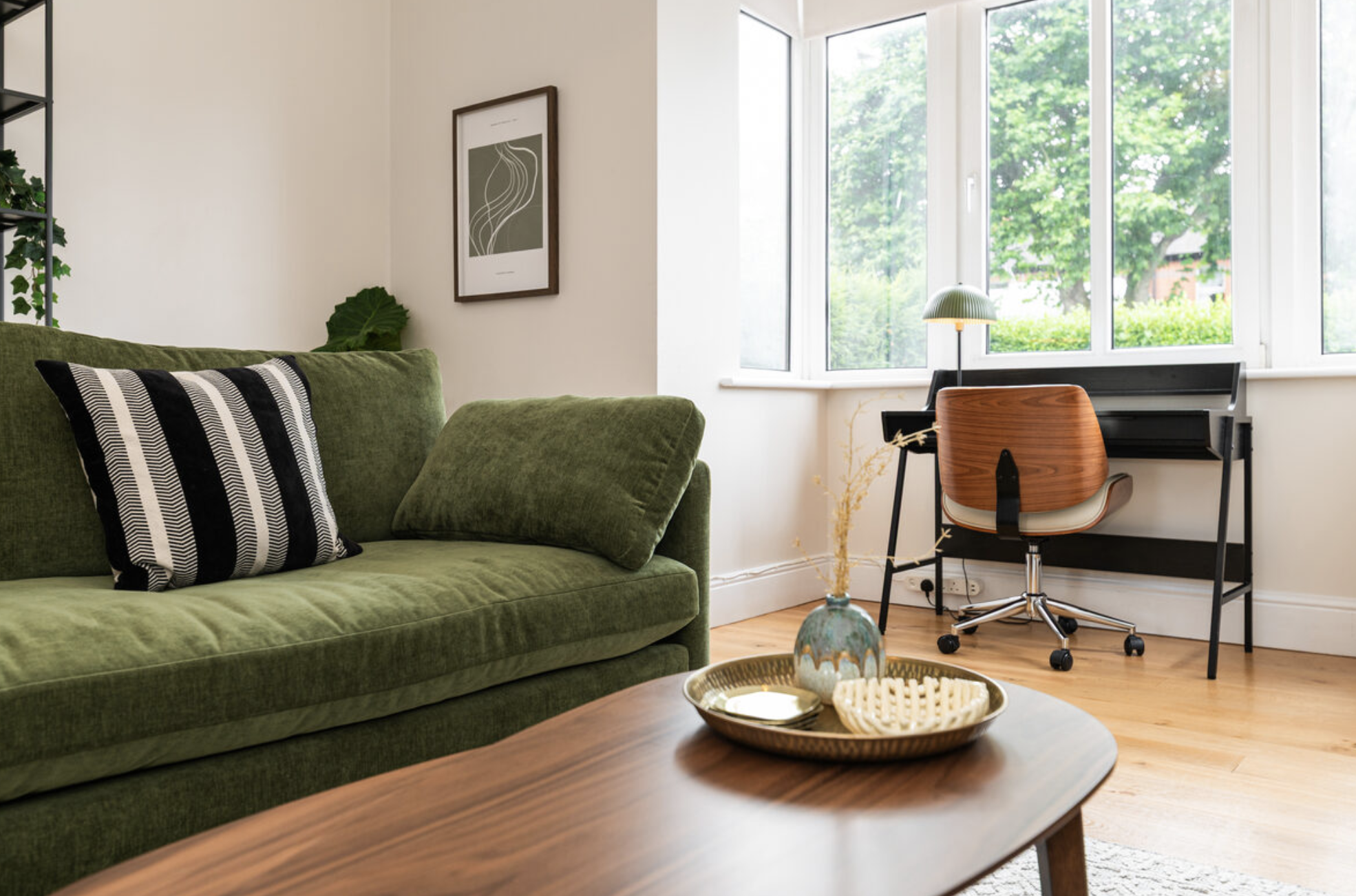
A serviced apartment provides what a hotel room cannot: separation. A dedicated workspace in the living area or spare bedroom, away from the bed. A proper desk and ergonomic chair. A reliable, high-speed broadband connection that isn't shared with a conference centre full of delegates. A kitchen where you can make coffee without paying €5 for room service.
Our guests consistently report being more productive in an apartment setting. The reasons are practical: they can set up their workspace exactly as they want it, they're not distracted by housekeeping knocks, they can take a proper lunch break in their own kitchen, and they can close the door on their workspace at the end of the day and genuinely switch off.
Video Calls & Connectivity
In 2026, video calls are a non-negotiable part of business life. And this is where hotels consistently fall short. Shared wifi networks, bandwidth caps, and the awkward backdrop of a hotel headboard are all problems that disappear in a serviced apartment. Every EirStay apartment delivers 150–500Mbps download speeds on a dedicated connection. Your calls will be crisp, your screen shares will be smooth, and your background will look professional.
Employee Wellbeing: The Retention Factor
After a long day of meetings, your team wants to relax — not navigate a crowded hotel lobby, queue for an overpriced restaurant, and return to a room where the only option is the TV and the minibar.
The Psychology of Extended Hotel Stays
There's a well-documented phenomenon in corporate travel called "hotel fatigue." After about a week, the novelty of hotel living wears off and is replaced by a creeping sense of dislocation. The room feels smaller. The restaurant menu feels repetitive. The inability to cook, do laundry, or spread out becomes genuinely draining. For extended stays, hotels can contribute to isolation, poor diet, and declining morale.
Companies that care about employee wellbeing — and in 2026, that's increasingly a competitive necessity — are recognising that accommodation is not just a line item. It's a wellbeing decision.
What an Apartment Provides
Apartments offer privacy, comfort, and the ability to maintain normal routines:
- Cook a proper meal: Not because it saves money (though it does), but because the act of cooking — choosing ingredients, preparing food, sitting at a real dining table — is grounding. It makes a stay feel like living, not existing
- Do laundry on your own schedule: No more packing a week's worth of shirts or paying €8 per item
- Spread out: Leave your laptop on the desk, your books on the coffee table, your groceries in the fridge. Claim the space as your own
- Exercise at home: Many of our guests do morning yoga or workouts in the living room, or run through nearby Herbert Park or along the Grand Canal
- Host colleagues: Invite team members over for dinner or a working session. Try doing that in a hotel room
- Feel normal: The single most common piece of feedback we receive is some version of "it felt like home." That's not a luxury — it's a fundamental need during extended time away from family and routine
The Neighbourhood Effect
One of the most underappreciated advantages of a serviced apartment is location context. Hotels in Dublin cluster around the city centre — Ballsbridge, the Docklands, Temple Bar, St. Stephen's Green. These are functional locations, but they're not neighbourhoods in any meaningful sense.
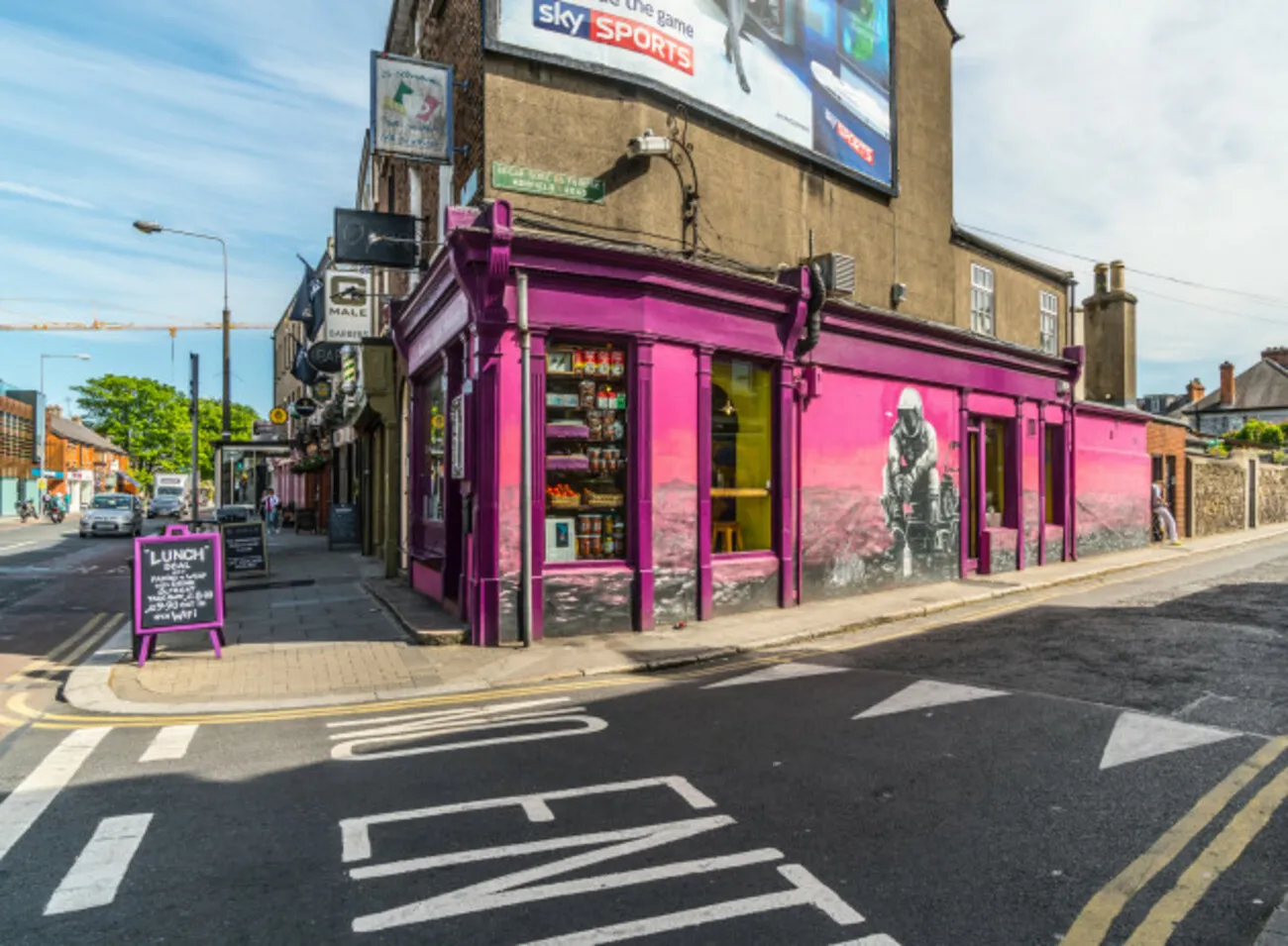
Our apartments are in real Dublin neighbourhoods — Donnybrook, Ranelagh, Camden Street, the Grand Canal. Your team won't just stay in Dublin; they'll live in Dublin. They'll have a local café, a favourite restaurant, a park they walk through every day. They'll get to know the area, feel a sense of belonging, and return to Ireland with genuine affection for the city rather than vague memories of a hotel lobby.
This matters for companies with a regular Dublin presence. When employees enjoy their stays and develop a connection to the city, they're more likely to volunteer for future Dublin assignments. That's a direct benefit to your talent pipeline and project continuity.
What HR Teams Actually Want
We work with HR and travel managers every day, and we know what matters to them beyond the headline rate. Here's what we hear most often — and how we address it:
Simple Invoicing
Hotels produce itemised bills with dozens of line items — room, breakfast, wifi, parking, minibar. Serviced apartments provide a single, clean invoice: one rate, everything included. For finance teams processing expenses, this alone saves hours of work per booking.
Consistency
When you book a hotel chain, you get a standardised room. When you book an independent hotel, you're gambling on quality. At EirStay, every apartment meets the same standard: high-speed broadband, dedicated workspace, fully equipped kitchen, weekly cleaning, quality furnishings. Your team knows what to expect, every time.
A Single Point of Contact
No navigating a hotel phone tree or explaining your corporate rate to a new receptionist every check-in. Each EirStay booking has a dedicated contact who handles everything from pre-arrival setup to ongoing support. One email, one phone number, one person who knows your team and your needs.
When Hotels Still Make Sense
We believe in being honest: serviced apartments aren't the right choice for every situation. Hotels remain the better option when:
- The stay is 1–3 nights: For short trips, the convenience of a hotel — reception, restaurant, bar — is hard to beat. The setup cost of settling into an apartment isn't worth it for a two-night visit
- Daily housekeeping is essential: We provide weekly cleaning as standard (and more frequent cleaning is available), but if your guest requires daily room servicing, a hotel delivers this automatically
- Conference or event proximity: If your team is attending a specific conference at a specific hotel, staying at that hotel eliminates the commute and maximises networking opportunities
- Luxury expectations: Five-star hotels offer spa facilities, concierge services, and a level of on-site luxury that apartments don't replicate. For VIP client entertainment, a hotel suite may be more appropriate
For everything else — project teams, relocating employees, extended business stays, repeat Dublin visits — serviced apartments deliver more value, more comfort, and better outcomes.
The EirStay Advantage
We specialise in corporate stays and understand what business travellers need. Here's what comes standard with every EirStay booking:
- High-speed broadband: 150–500Mbps fibre broadband included in every apartment. No throttling, no caps, no extra charges
- Dedicated workspace: A proper desk and chair in a quiet area of the apartment, set up for productive work
- Fully equipped kitchen: Oven, hob, microwave, dishwasher, fridge-freezer, and all cookware and tableware you need
- Weekly cleaning: Professional cleaning included as standard, with additional sessions available on request
- Washer/dryer: In every unit, so your team can manage laundry independently
- Central locations: All properties are in well-connected Dublin neighbourhoods with excellent transport links
- Corporate invoicing: Single invoice, clear rates, no hidden charges. VAT receipts provided as standard
- Flexible terms: Monthly and multi-month rates available, with flexibility to extend or shorten
- 24/7 support: Emergency contact available around the clock. Dedicated account manager for ongoing stays
- Onboarding assistance: Proof of address letters, local area guides, transport advice, and restaurant recommendations
We've hosted teams from tech companies, consulting firms, financial institutions, embassies, and international organisations. Every corporate stay is different, and we tailor our service to match your specific needs.
Making the Switch
If your company is considering the move from hotels to serviced apartments for Dublin-based teams, the process is straightforward:
- Tell us about your needs: How many people, how long, where they'll be working, and any specific requirements
- We recommend properties: Based on your team's needs, we suggest the best-fit apartments and neighbourhoods
- Virtual or in-person viewing: We can arrange video walkthroughs or in-person visits for your travel manager
- Corporate agreement: We set up a simple corporate rate agreement — no lengthy procurement process required
- Seamless check-in: Your team arrives to a clean, fully equipped apartment with everything they need. We handle the rest
Ready to explore the alternative? Get in touch and let's talk about what your team needs. We'll provide a no-obligation comparison with your current hotel costs — and we're confident the numbers will speak for themselves.
For more on planning corporate trips to Dublin, see our complete business travel guide. If your team will be here for an extended period, our neighbourhood review will help you choose the right area, and our local walking routes will help them feel at home from day one.